
The Importance of a Skincare Routine for Healthy Skin: A Complete Guide
Summary:
Maintaining a consistent skincare routine is crucial for overall skin health, not just cosmetic reasons. As the body’s largest organ, your skin shields you from harmful elements, making proper care essential. Seeking advice from a dermatologist hospital near you helps identify your skin type and needs. Whether it’s acne treatment, anti-aging advice, or a personalized skincare routine, consulting experts at the best skin hospital near you ensures your skin stays healthy, vibrant, and protected.
Introduction: Why You Need a Skincare Routine
Maintaining a regular skincare routine is now essential, not a luxury. Daily exposure to pollutants, sun damage, and grime can lead to premature aging, dryness, and other skin issues. A personalized routine tailored to your skin type helps prevent these problems and promotes healthy, glowing skin. Beyond surface-level care, a good regimen addresses hydration, collagen production, and resilience. Consulting experts at a dermatologist hospital near me ensures you get the best guidance for treating acne, signs of aging, or maintaining overall skin health with a long-term protective approach.
Causes of Skin Problems: What You Need to Know
A range of factors can affect your skin health, often leading to conditions that may require medical intervention. Understanding the root causes is essential in preventing and treating skin problems. Here are some of the most common reasons:
1. Lack of a Proper Skincare Routine
The absence of a structured skincare regimen is one of the leading causes of unhealthy skin. If you’re not cleansing, moisturizing, and protecting your skin regularly, it becomes vulnerable to damage.
2. Environmental Pollutants
Exposure to pollution, dirt, and other environmental contaminants can clog pores, lead to breakouts, and dull the skin’s natural glow. Over time, this can cause long-term skin damage.
3. Overuse of Cosmetic Products or Using Unsuitable Products
Using too many products or the wrong kind of products can irritate the skin. Some cosmetics contain harsh chemicals that can strip the skin of its natural oils, causing imbalances and breakouts.
4. Hormonal Imbalances
Hormonal changes, particularly during puberty, pregnancy, or menopause, can affect oil production in the skin, leading to issues like acne or dry skin.
5. Lack of Hydration
Dehydration shows up on your skin, making it appear dull, dry, and flaky. Hydrated skin is more resilient and has a natural glow.
6. Poor Diet
What you eat affects your skin. A diet high in sugars and processed foods can increase the risk of acne and other skin problems.
7. Sun Damage
UV radiation from the sun can cause wrinkles, fine lines, and Hyperpigmentation. Prolonged exposure can lead to more serious issues such as skin cancer.
How to Protect Your Skin: Actionable Tips
Maintaining your skin’s health requires a consistent routine that covers all the essentials. Here are some proven strategies to keep your skin in top condition:
1. Cleansing
Wash your face twice daily—once in the morning and once before bed. Cleansing removes dirt, oil, and makeup that can clog pores and lead to breakouts.
2. Moisturizing
Hydration is key. Use a moisturizer suited for your skin type to lock in moisture and keep your skin plump and smooth.
3. Sunscreen
Sunscreen is non-negotiable. Apply a broad-spectrum SPF 30 or higher every day to shield your skin from harmful UV rays. This not only prevents sunburns but also reduces the risk of skin cancer and premature aging.
4. Exfoliation
Regularly exfoliate to remove dead skin cells and promote the regeneration of new, healthy skin. Be careful not to over-exfoliate, as this can damage the skin barrier.
5. Visit a Dermatologist
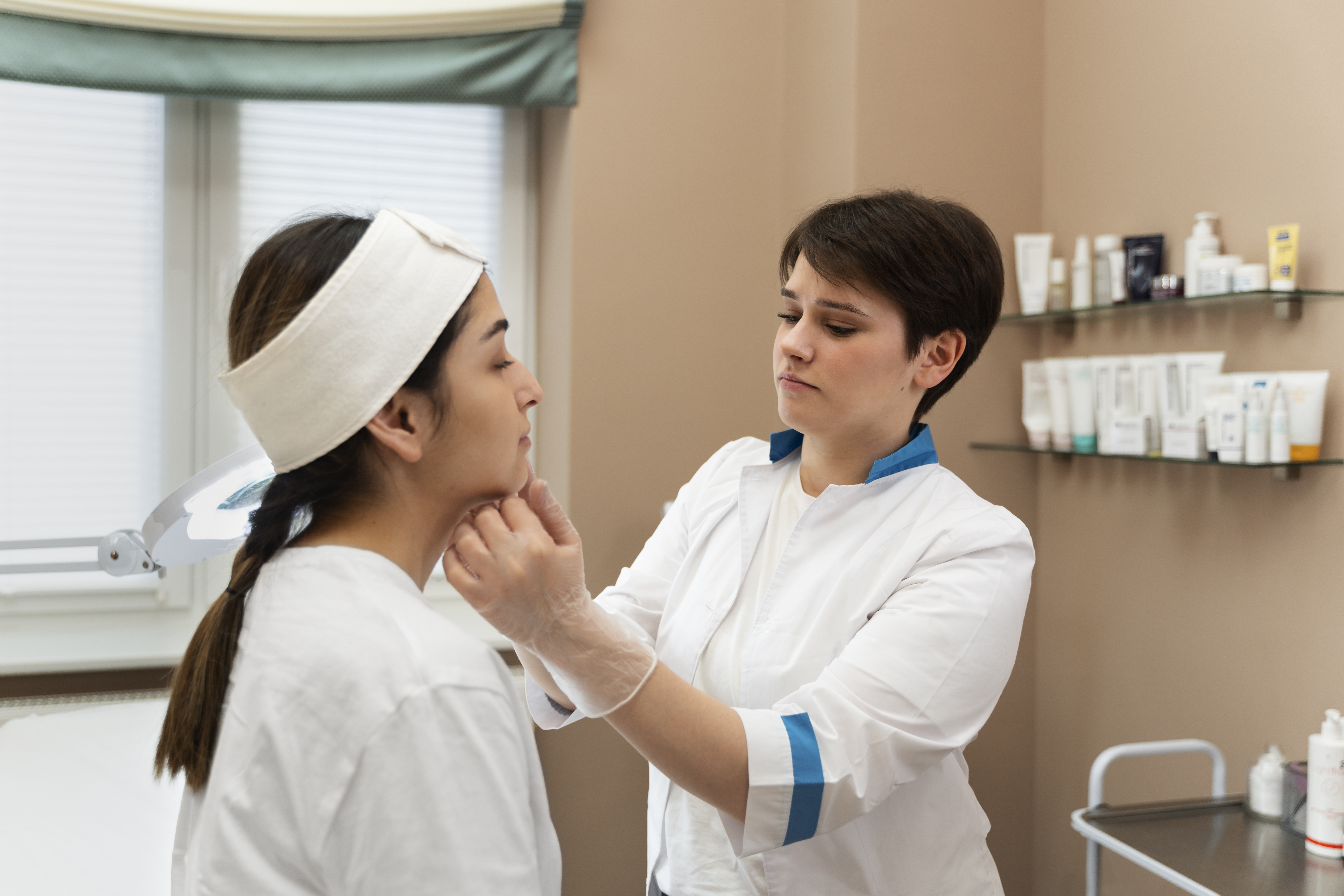
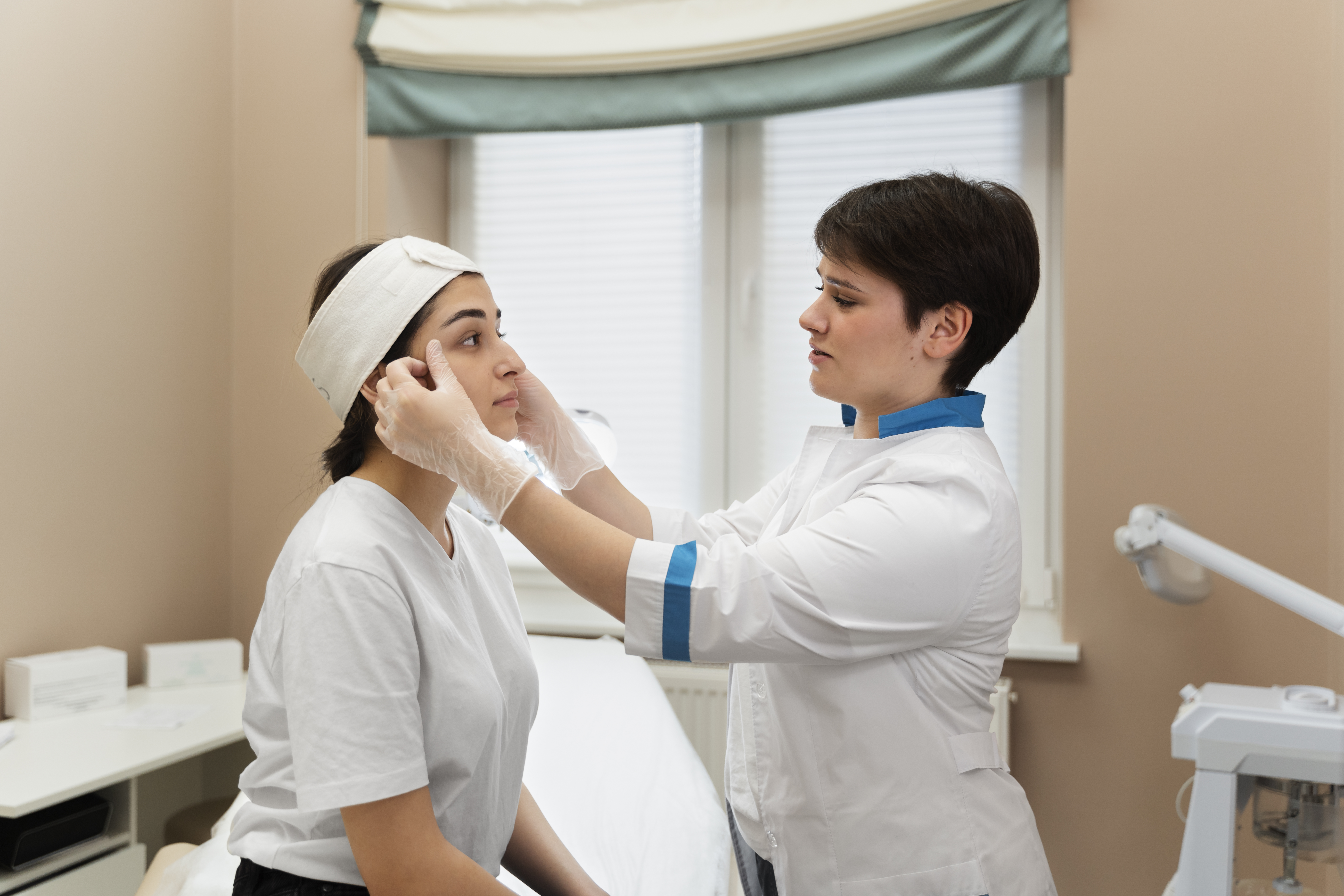
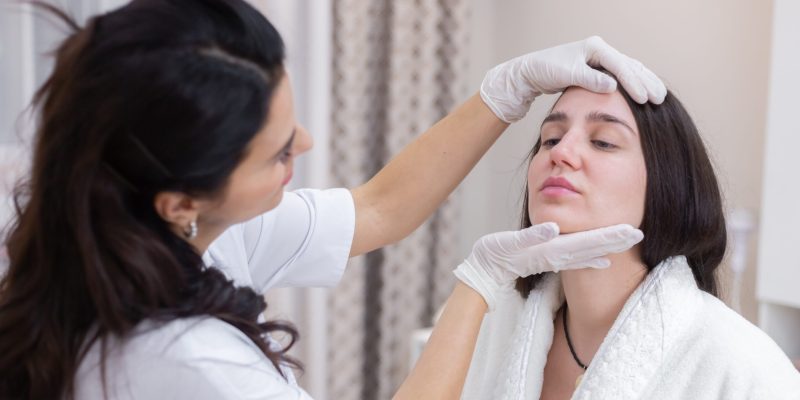
The best way to know which products and treatments are right for you is to seek professional advice from a near dermatologist hospital. Dermatologists can perform a comprehensive skin analysis, tailor a regimen to your specific needs, and offer treatments that over-the-counter products simply can’t provide.
Consulting with specialists at the best skin hospital near me ensures that you’re following a routine that not only meets your skin’s immediate needs but also keeps it healthy in the long term.
When to Visit a Dermatologist: Key Signs to Look Out For
While a good skincare routine can resolve many issues, some skin conditions require professional attention. Here are a few instances when you should consider visiting a dermatologist hospital near you:
1. Persistent Acne or Skin Irritation
If over-the-counter treatments aren’t helping, it’s time to see a dermatologist. Persistent acne, redness, or irritation can be a sign of a deeper issue that requires medical treatment.
2. Early Signs of Aging
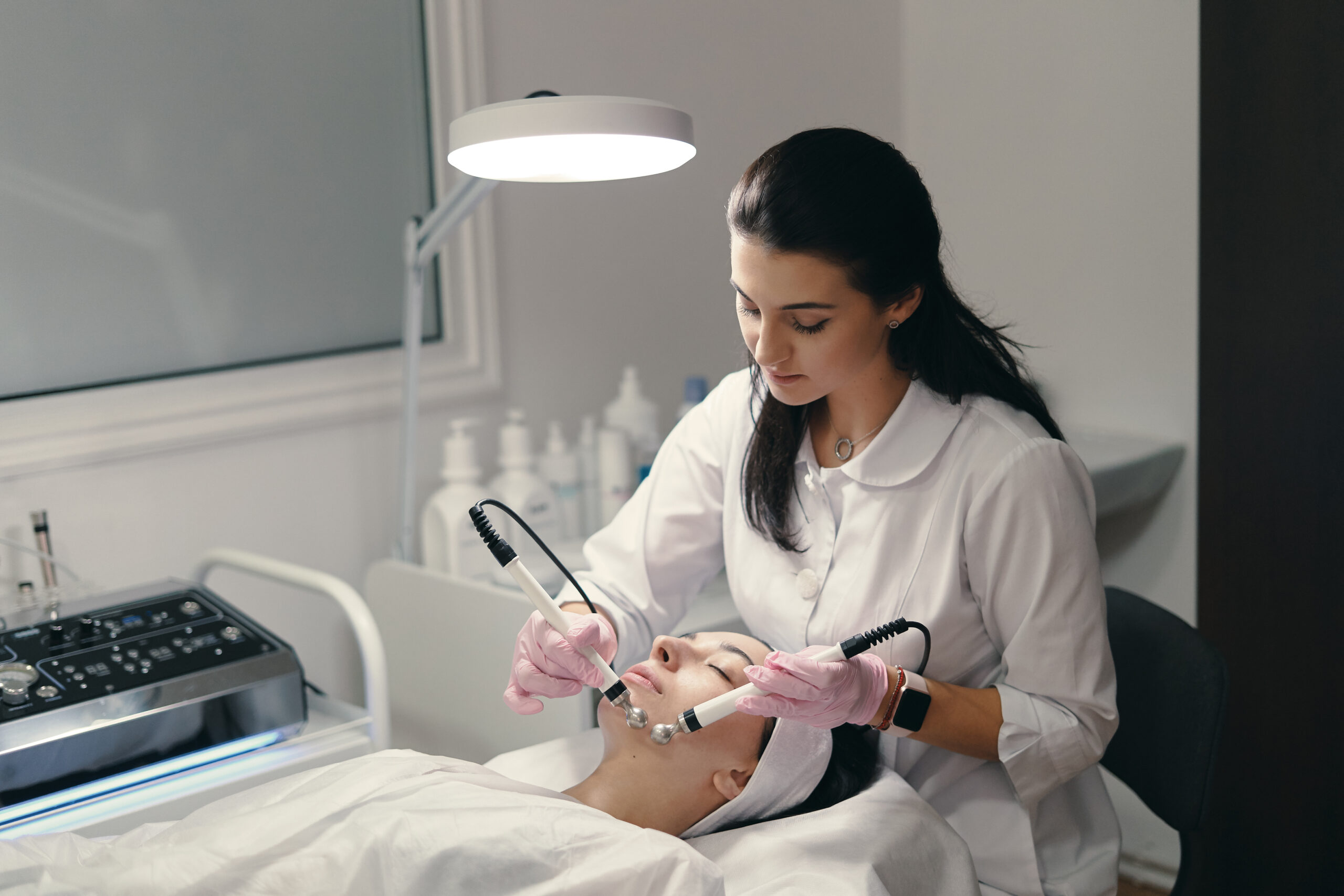
Wrinkles, fine lines, and loss of elasticity may be a natural part of aging, but you don’t have to accept them without a fight. Dermatologists can offer advanced treatments such as chemical peels, laser therapy, and injectables that target aging at its source.
3. Hyperpigmentation or Uneven Skin Tone
Dark spots, uneven skin tone, or other pigmentation issues can be difficult to treat with over-the-counter products alone. A visit to the best skin hospital near me can provide you with professional-grade solutions to fade these imperfections.
4. Suspicious Moles or Skin Lesions
Any new or changing moles should be examined by a dermatologist immediately, as they can be a sign of skin cancer. Regular screenings at a near dermatologist hospital can help detect early signs of skin cancer, ensuring prompt treatment.
Conclusion: A Skincare Routine for Life
In conclusion, a well-maintained skincare routine is vital for glowing, healthy skin. It’s not just about looking good, but about caring for your body’s largest organ. Skincare routines that incorporate cleansing, moisturizing, sun protection, and regular exfoliation are a great start, but visiting a dermatologist hospital near you is the key to long-term skin health.